How to Pet a Cat Correctly: A Friendly Guide to Winning Cat Approval (Without the Swat)
Petting a cat looks easy from the outside—until you meet a cat who clearly has opinions about how, when, and where they want to be touched. One wrong move and you go from “cute bonding moment” to “why is my hand being judged and lightly bitten?”
The truth is, most cats do enjoy affection. They just prefer it on their terms. Learning how to read those terms is the key to building trust and becoming your cat’s favourite human.
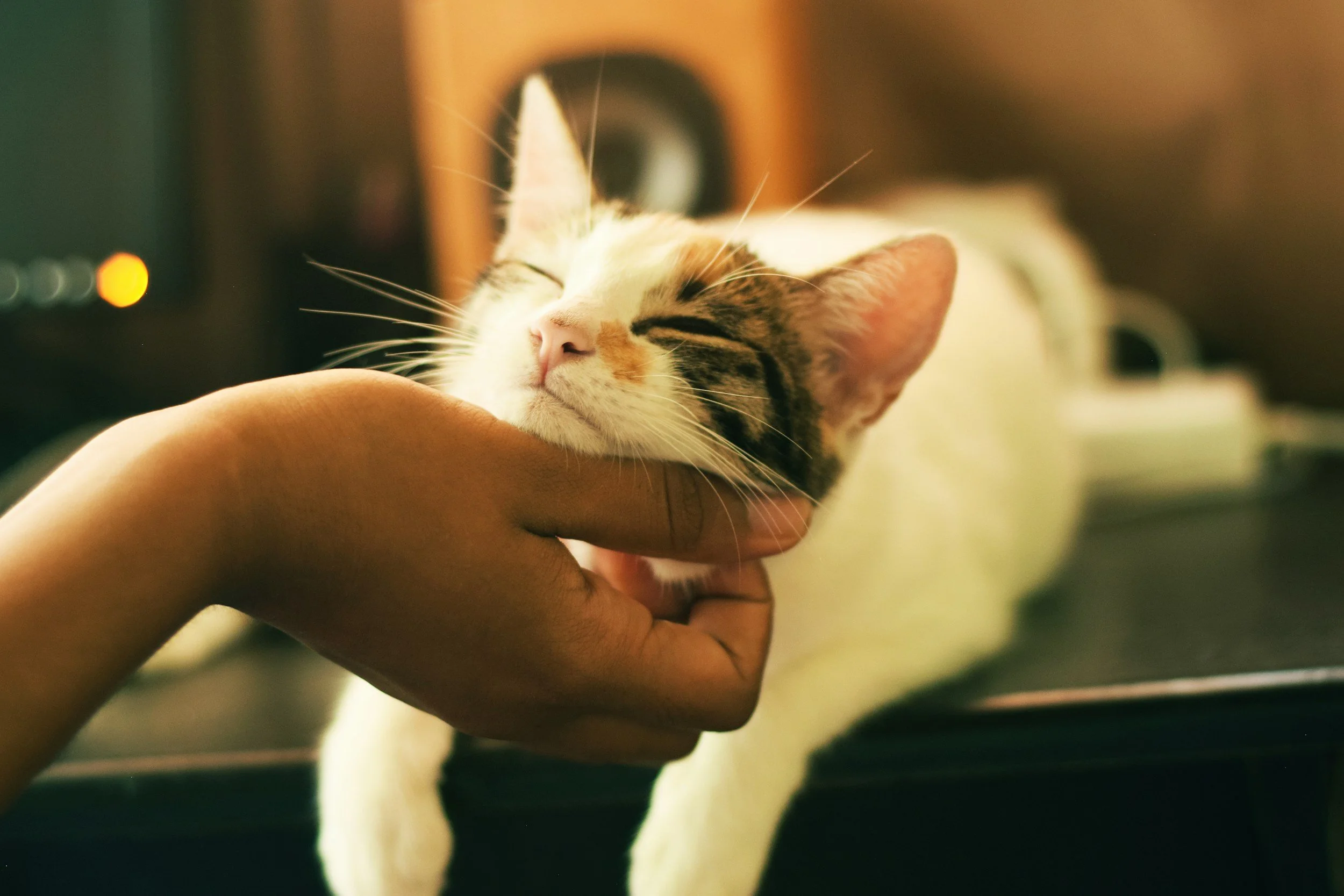
Step 1: Let the Cat Make the First Move
Cats don’t like surprises. Instead of reaching straight for them, let them come to you. A cat that approaches, rubs against you, or head-butts your hand is actively inviting interaction. That’s your green light.
If a cat walks away or ignores you, that’s also communication—it means “not right now.”
Step 2: Start Small (One Finger First!)
Instead of full-hand petting straight away, start with a gentle finger scratch under the chin or on the cheek. This helps the cat assess whether you’re safe and predictable.
If they lean in, purr, or push their head into your hand—you’re doing well. If they pull away, pause and give them space.
Step 3: Stick to the “Safe Zones”
Most cats prefer:
Under the chin
Cheeks and jawline
Base of the ears
Top of the head
These areas are usually associated with comfort and scent marking, which is why cats often enjoy them.
Step 4: Watch for Overstimulation
Cats can switch from enjoying petting to “enough now” very quickly. Watch for warning signs like:
Tail flicking or thumping
Skin rippling on the back
Ears turning sideways or back
Sudden head turns toward your hand
If you see these, stop before the swat happens.
Step 5: Keep Sessions Short and Sweet
Cats often prefer short bursts of affection rather than long cuddling sessions. Think of it like tiny “affection snacks” rather than a full meal. End on a positive note before your cat decides they’re done.
Step 6: Learn Your Cat’s Personal Preferences
Every cat is different. Some love chin scratches but hate head pets. Others enjoy full-body strokes but only for 20 seconds at a time. Over time, you’ll learn what your cat specifically enjoys.
Final Thoughts
Petting a cat isn’t about doing it “right” in a universal sense—it’s about learning your cat’s language. When you slow down, observe their signals, and respect their boundaries, you build real trust. And once a cat trusts you, those quiet moments of purring, leaning in, and slow blinking feel like a very special kind of win. 🐱💛