Signs Your Dog Might Have Separation Anxiety and How to Help
Many people feel guilty or frustrated when their dog barks, destroys things, or panics when left alone—but it’s important to remember that separation anxiety is not “bad behaviour” or spite. It’s a genuine emotional response linked to fear, stress, and panic around being separated from attachment figures.
Some dogs struggle from puppyhood, while others develop anxiety later due to changes in routine, moving house, illness, bereavement, changes in work patterns, or after long periods of constant company. Understanding the signs early and supporting your dog in a calm, structured way can make a huge difference to their wellbeing.
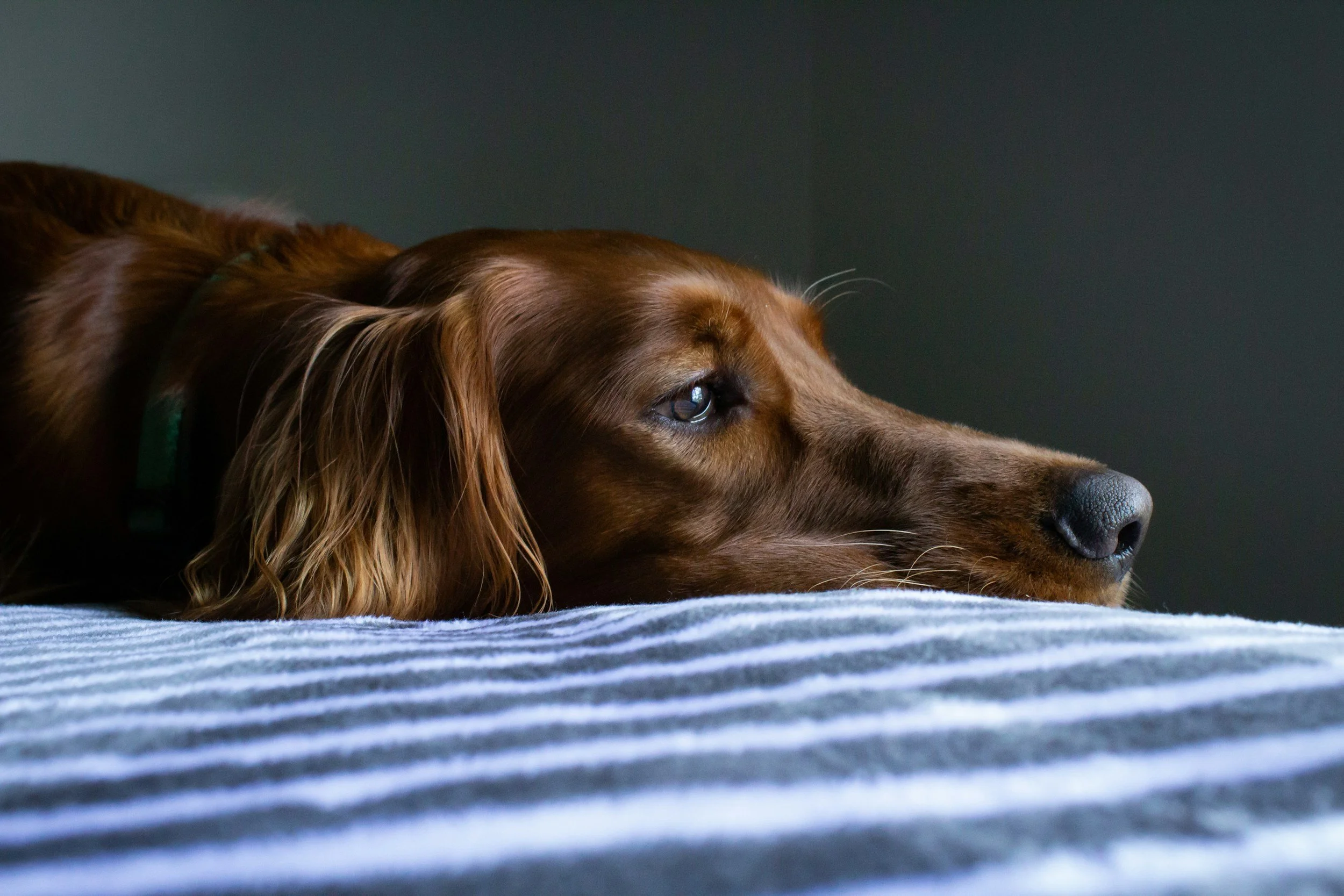
Signs Your Dog May Have Separation Anxiety
Separation anxiety can look different from dog to dog. Some dogs become loud and destructive, while others shut down quietly or show more subtle stress behaviours.
Excessive Barking or Howling
Many dogs vocalise continuously after their owner leaves. This isn’t “attention-seeking” in the way people often assume—it’s distress communication. You may notice:
Barking that starts shortly after departure
Howling that continues for long periods
Increased vocalisation during specific departure cues (keys, shoes, coat)
Neighbours often notice this before owners do.
Destructive Behaviour
Dogs experiencing panic may chew, scratch, or dig around exits such as doors and windows in an attempt to reunite with their owner.
Common behaviours include:
Destroying blinds or curtains
Scratching doors or frames
Chewing furniture near exits
Damaging crates or barriers
This behaviour is usually driven by anxiety, not boredom or “revenge.”
Pacing and Inability to Settle
Some dogs don’t vocalise at all but instead show constant restless movement:
Repetitive pacing patterns
Circling rooms
Moving from window to window
Inability to lie down and relax
These behaviours indicate an activated nervous system struggling to settle.
Toileting Indoors
A dog who is reliably house trained may suddenly urinate or defecate when left alone. This is often linked to stress rather than training regression.
Hyper-Attachment and Over-Excitement
Some dogs show anxiety before you even leave:
Following you from room to room
Becoming distressed when doors close
Excessive excitement when you return home
Difficulty relaxing unless physically near you
These behaviours can indicate dependency and worry around separation.
What Causes Separation Anxiety?
There isn’t always a single cause, but common contributing factors include:
Sudden routine changes
Rehoming or rescue history
Lack of gradual alone-time training
Major life events (new baby, moving house, loss of another pet)
Over-attachment during periods of constant company
Dogs thrive on predictability, and sudden changes can feel overwhelming.
How to Help Your Dog Feel Safer Alone
Gradual Desensitisation
This is one of the most important parts of recovery.
Start with absences your dog can cope with—even if that’s only seconds at first. Slowly build duration over time while ensuring your dog remains below panic level.
Rushing this process often makes anxiety worse, so progress should be gradual and consistent.
Reduce the Power of Departure Cues
Many dogs become anxious before you even leave because they associate:
Picking up keys
Putting shoes on
Grabbing a bag or coat
with being left alone.
Practise these cues without actually leaving so they become less emotionally charged.
For example:
Pick up your keys, then sit back down
Put your coat on while making a cup of tea
Open and close the front door casually throughout the day
This helps break the predictive cycle.
Create a Calm Safe Space
Some dogs benefit from a secure, predictable area where they can relax. Include:
Comfortable bedding
Water access
Safe chew items
Background noise like calming music or TV
However, avoid forcing confinement if your dog finds crates or small spaces stressful.
Use Enrichment Carefully
Interactive toys, stuffed Kongs, lick mats, and sniffing activities can help reduce stress if your dog is calm enough to engage with them.
If anxiety is severe, many dogs won’t eat once left alone. That’s a sign the emotional state needs addressing first.
Keep Greetings Calm
It’s tempting to make a big fuss when leaving or returning home, but dramatic greetings can accidentally increase emotional intensity around departures.
Instead:
Keep exits calm and predictable
Wait for calmer behaviour before greeting enthusiastically
Avoid creating a huge emotional contrast between “alone” and “together”
Equally, avoid ignoring them on your return - greet as normal
Build Independence Throughout the Day
Encourage your dog to feel comfortable spending short periods away from you while you are still home. This might include:
Resting on a mat nearby instead of on top of you
Independent enrichment activities
Short periods behind a baby gate with support
Confidence in small separations helps build confidence in bigger ones.
When to Seek Professional Support
If your dog:
Panics quickly when left
Injures themselves trying to escape
Cannot cope with even very short absences
Shows worsening anxiety over time
…it’s important to seek professional help.
Work with appropriately qualified professionals such as:
CCAB
APBC
FABC
ABTC-registered practitioners
A vet should also rule out any underlying medical causes contributing to anxiety.
Separation anxiety can feel exhausting and emotional for both dogs and owners, but improvement is possible with patience, empathy, and the right support. Your dog is not trying to be difficult—they are struggling to feel safe when alone.
By understanding the emotional root of the behaviour, slowing the process down, and building confidence gradually, you can help your dog feel more secure and resilient over time.
Recovery is rarely about “teaching independence” through force—it’s about teaching your dog that being alone no longer feels frightening.