The Biological Power of Play in Dogs: Why It’s Essential for Health, Happiness, and Behaviour
When your dog grabs a toy, zooms around the garden, or does an over-the-top play bow that looks like a dramatic theatre performance, it’s easy to think they’re just having fun. And they are—but play is also one of the most important biological needs your dog has. It supports their brain development, emotional regulation, social skills, and even physical health.
Play Is Hardwired Into Dogs
Play isn’t a luxury for dogs—it’s built into their biology. From puppyhood, play helps dogs develop coordination, bite control, and communication skills. When puppies wrestle, chase, and tumble over each other, they’re learning boundaries and reading social cues. A well-timed “yelp” or pause in play teaches them how to interact without causing harm (although I must say that unfortunately our dogs know we are not dogs so us yelping does not have the same effect!)
As dogs grow into adulthood, this behaviour doesn’t disappear. Instead, it becomes a key outlet for energy and emotion. Play activates the brain’s reward system, releasing dopamine and endorphins that create feelings of pleasure and satisfaction. This is why a good play session can leave your dog relaxed, happy, and even sleepy afterwards.
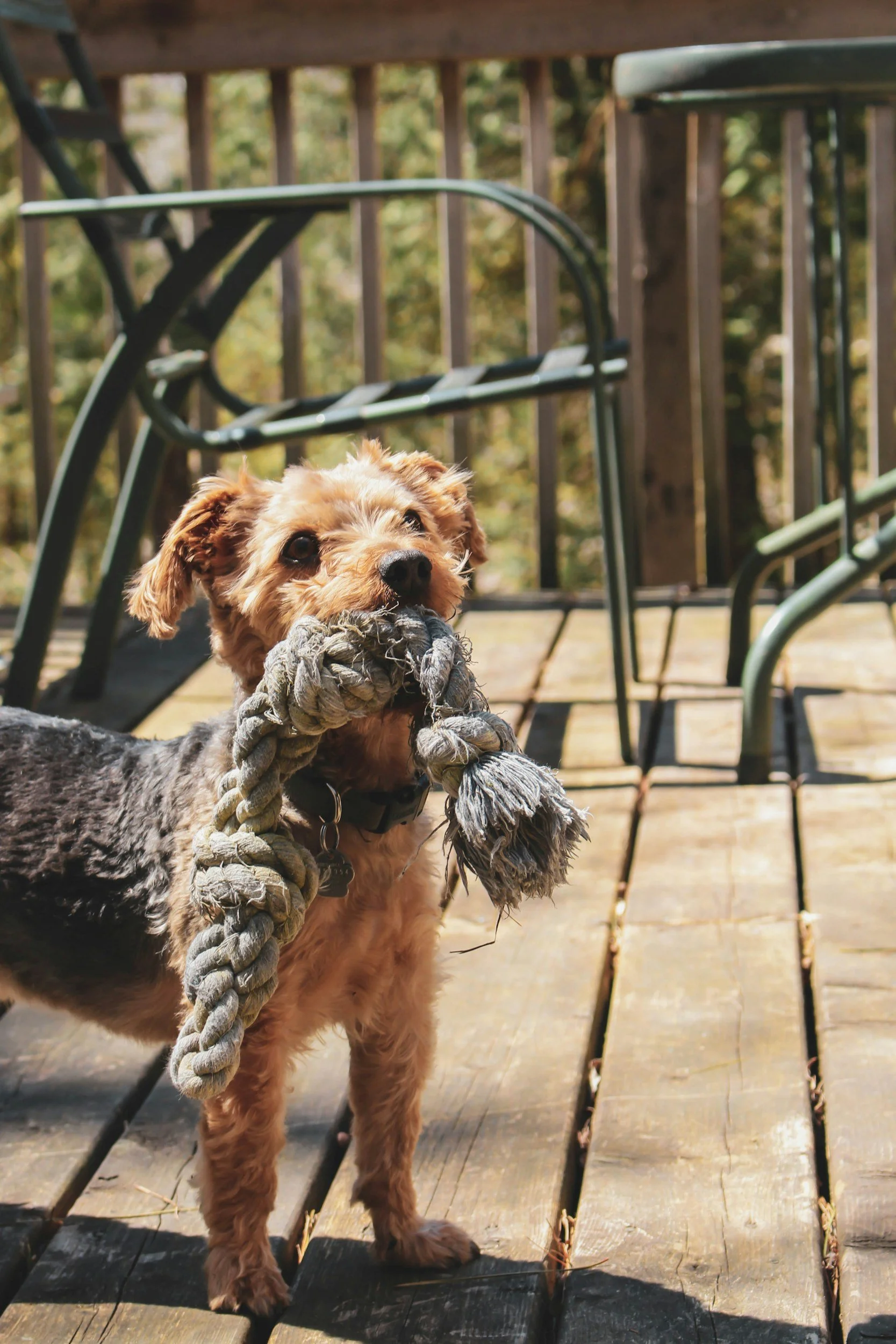
Play as a Stress Regulator
One of the most important roles of play is stress relief. Dogs that don’t get enough opportunities to play may become frustrated, anxious, or overstimulated. That energy often shows up in unwanted behaviours like chewing, barking, digging, or restlessness.
Think of play as a natural pressure valve—it helps your dog release emotional and physical tension in a healthy way.
The Importance of Social Play with Other Dogs
While playing with humans is valuable, social play with other well-matched dogs is especially important. These interactions help dogs learn appropriate communication, including:
Reading body language
Understanding bite inhibition
Practising turn-taking and self-control
Learning when another dog has had enough
However, not all dogs are compatible playmates. Good social play should look balanced—both dogs should take turns chasing, wrestling, and pausing. If one dog is constantly overwhelmed, pinned, or trying to escape, the interaction may be too intense.
Well-managed social play builds confidence and reduces fear-based behaviour later in life. It also provides mental stimulation that humans simply can’t replicate.
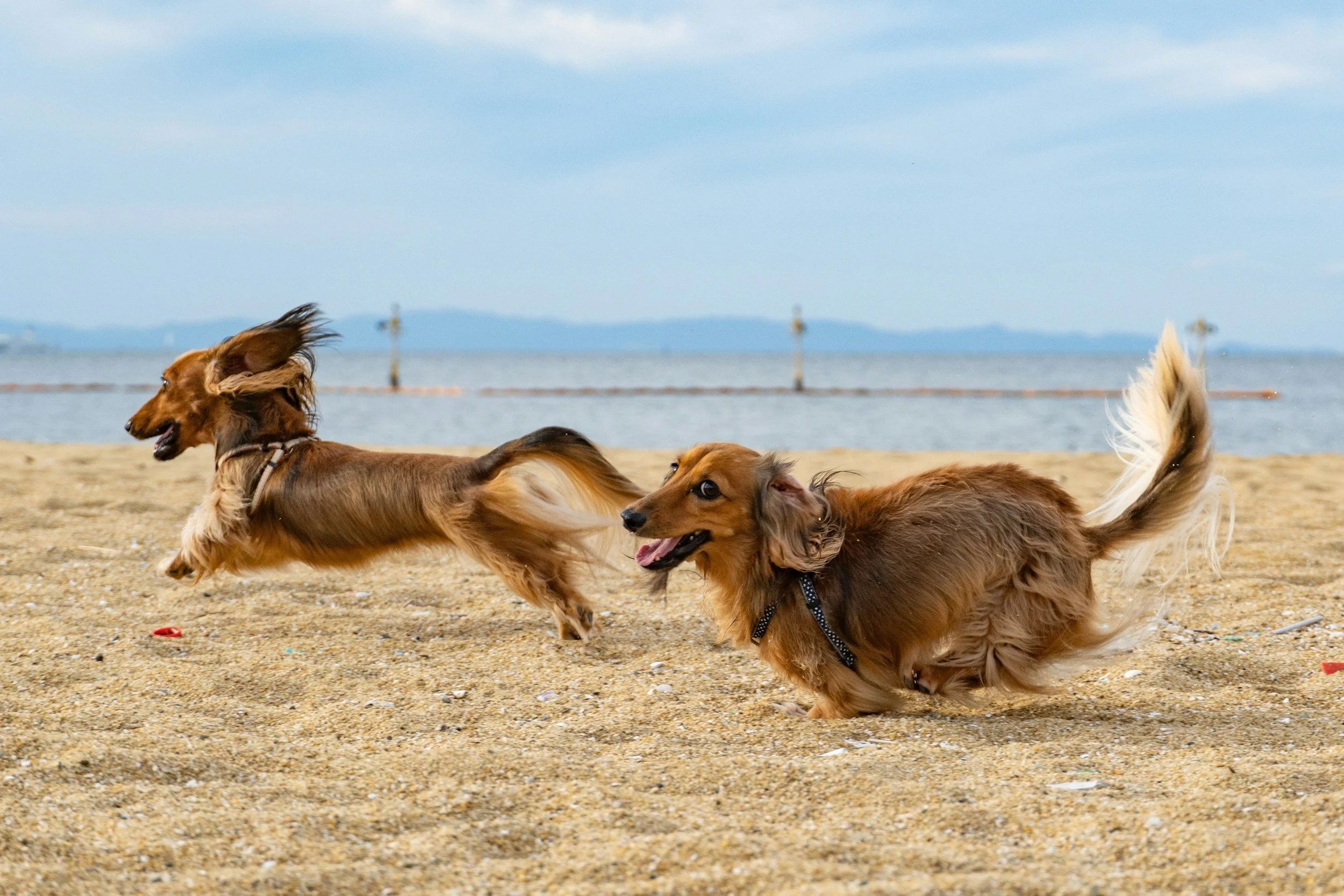
Play Builds the Human–Dog Bond Too
Interactive games like fetch, tug-of-war, and hide-and-seek aren’t just fun—they strengthen trust and communication between you and your dog. When your dog learns that engaging with you leads to enjoyable experiences, your relationship deepens.
Play also helps reinforce training in a positive way. Teaching recall during a game or rewarding obedience with play makes learning feel like a reward rather than a chore.
Different Types of Play Matter
Dogs benefit from a mix of:
Physical play (running, chasing, tugging)
Mental play (puzzle toys, scent games, training games)
Social play (interacting with other compatible dogs)
A balanced combination supports overall wellbeing far better than just one type alone.
Play is far more than entertainment—it’s a biological necessity that shapes your dog’s behaviour, emotional health, and social skills. Whether they’re wrestling with a dog friend, chasing a ball, or proudly bringing you a squeaky toy, they’re engaging in something deeply important to their wellbeing.
So next time your dog nudges you for a game, it’s not just a request for fun—it’s a request for health, balance, and connection