Cats have a reputation for being mysterious, independent, and sometimes “impossible to read.” Because of that, it’s easy to fall into the habit of interpreting their behaviour through a human lens—or through old myths that simply don’t match how cats actually think and communicate.
Once you understand what’s really going on, your cat suddenly becomes a lot less confusing and a lot more expressive.
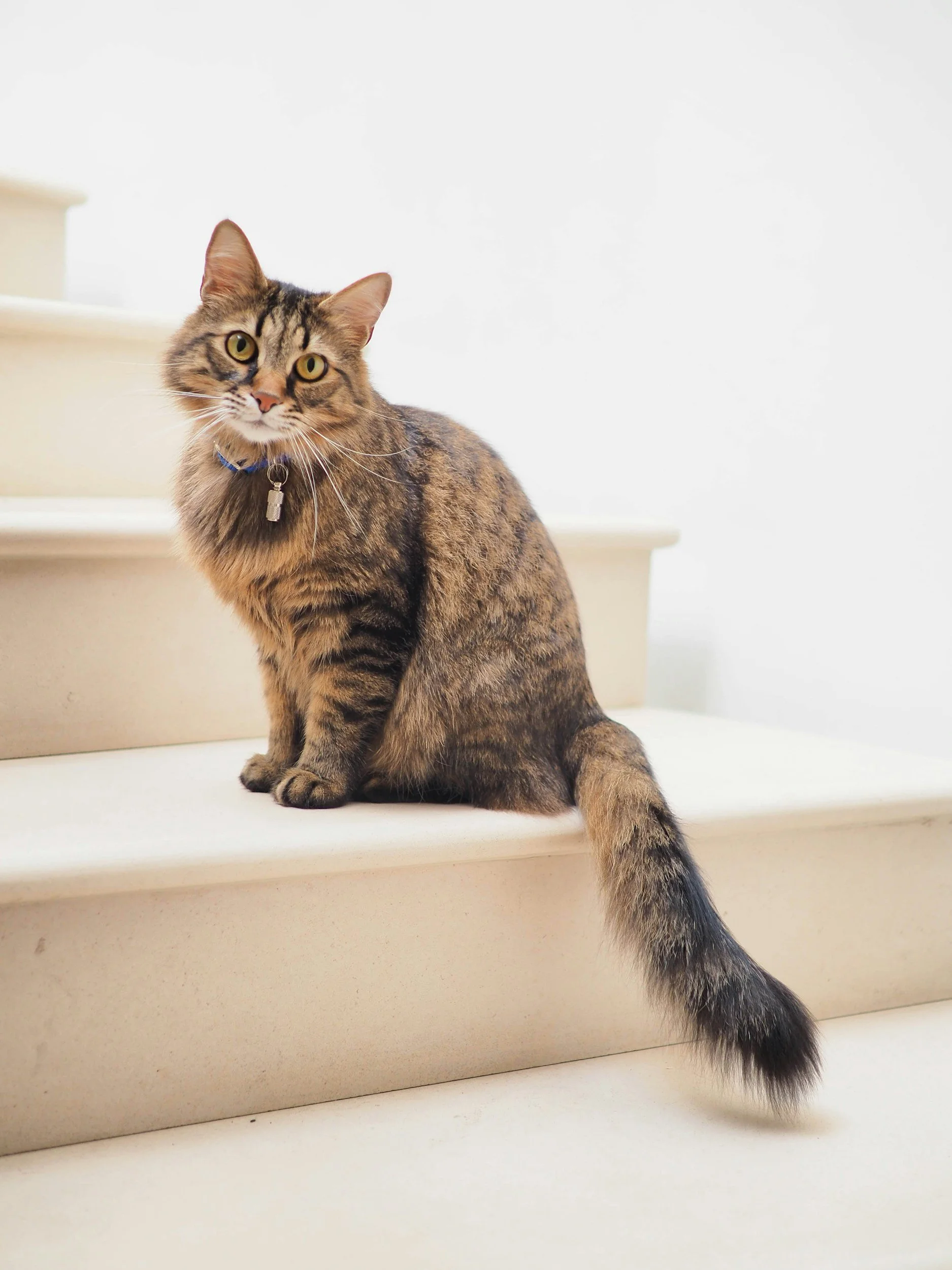
1. “My cat is aloof and doesn’t care about me”
This is one of the most common misunderstandings. Cats do form strong bonds with their humans, but they don’t always show affection in obvious ways.
Instead of constant attention-seeking like dogs, cats often show love through subtle behaviours:
Sitting in the same room as you (even if not on you)
Slow blinking at you (a sign of trust)
Following you from room to room
Head bunting or rubbing against your legs
Sleeping near you or in your space
In cat language, proximity often means affection. They’re not ignoring you—they’re just being selective about how they connect.
2. “If my cat purrs, they must be happy”
Purring is often associated with contentment, but it’s actually more complex than that. Cats also purr when they are:
Stressed or anxious
In pain or discomfort
Trying to self-soothe
Even recovering from illness or injury
Think of purring as an emotional regulator rather than just a “happy sound.” To understand what your cat is feeling, you need to look at the full picture: body posture, ears, tail position, and the situation they’re in.
3. “Cats act out of spite”
This myth causes a lot of frustration. When a cat scratches furniture or knocks items off a shelf, it can feel intentional—but cats don’t have the cognitive ability to act out of revenge or spite.
Instead, these behaviours usually come from:
Natural instincts (scratching to mark territory and stretch muscles)
Boredom or lack of stimulation
Attention-seeking (they quickly learn what gets a reaction)
Environmental needs not being met
From your cat’s perspective, they’re not misbehaving—they’re communicating.
4. “A cat showing their belly wants a belly rub”
This is one of the most misleading signals in cat behaviour.
When a cat rolls over and exposes their belly, it usually means:
They feel safe in that moment
They are comfortable enough to relax
They are not necessarily inviting touch
The belly is a vulnerable area. Many cats will tolerate light interaction, but others will quickly switch from relaxed to defensive if touched there. It’s more of a trust display than an invitation.
5. “Cats are low-maintenance and don’t need interaction”
Cats are often labelled as “easy pets,” but this can lead to underestimating their needs. While they may be more independent than dogs, they still require:
Daily mental stimulation
Interactive play
Social engagement (on their terms)
Environmental enrichment like climbing spaces and scratching posts
Without these, cats can develop boredom-related behaviours such as over-grooming, aggression, or excessive vocalisation.
Why These Myths Stick Around
Many of these beliefs come from comparing cats to dogs or assuming animals think like humans. But cats are a different species with their own communication style. When we misunderstand that language, we misinterpret behaviour.
Cats aren’t distant, spiteful, or simple—they’re subtle communicators with a rich emotional and behavioural language. The more you understand that language, the easier it becomes to meet their needs and build trust.
Once you stop expecting cats to behave like small dogs or humans, everything starts to make a lot more sense—and your relationship with them becomes far more rewarding.